
foster Dog Guide
Love's Legacy Rescue
This guide is based on real foster experience. It's designed to prevent common issues, protect your resident dogs, and set you up for success—even when things feel hard.
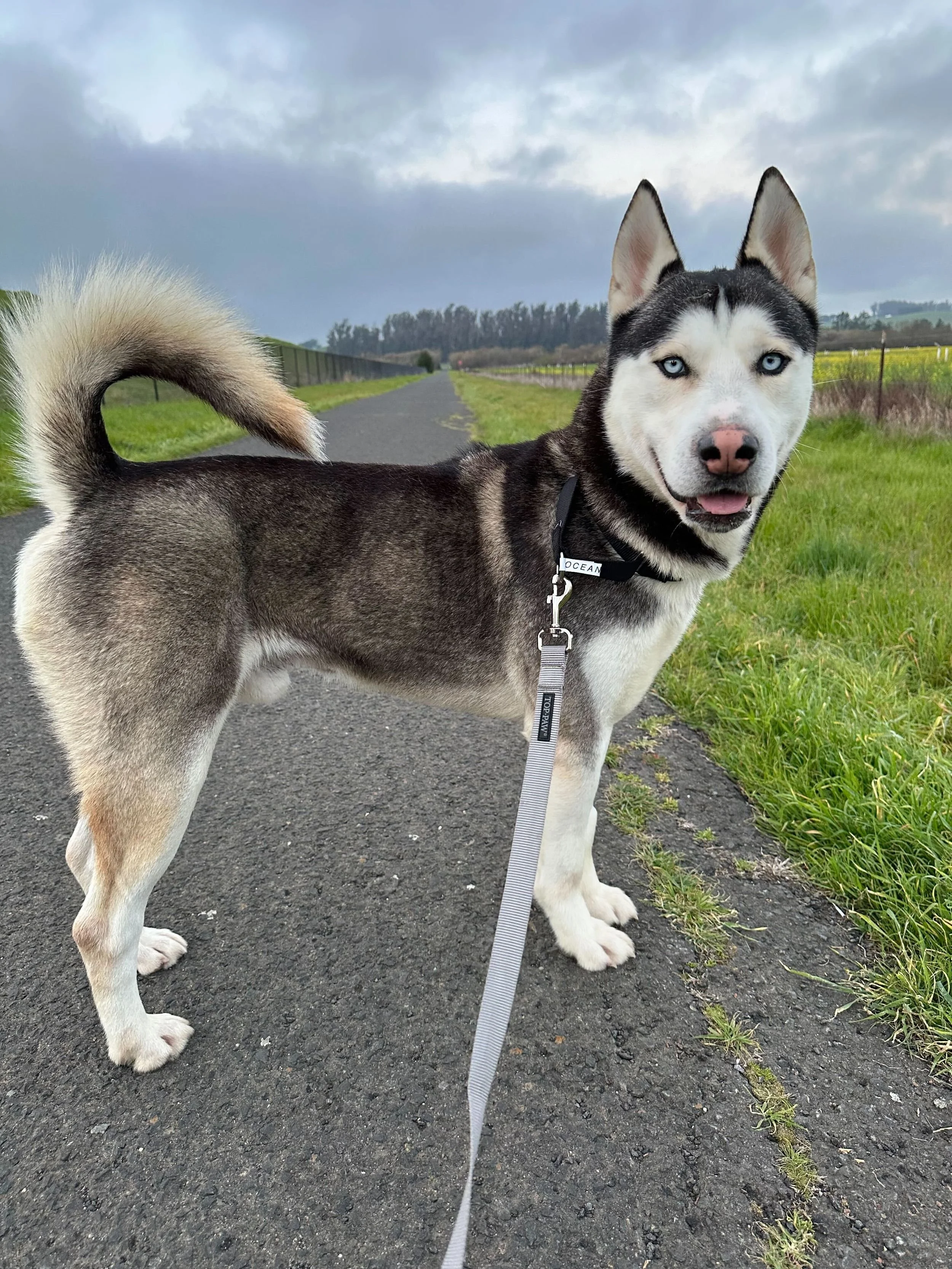
Thank you for fostering a rescue dog! Welcoming a foster dog into your home is one of the most generous gifts you can give. This dog's entire world has just changed, and your role is to provide safety, structure, and patience while they decompress and learn what life in a loving home looks like.
-
-
First 3 Days – Decompression
Your new dog is adjusting to a completely unfamiliar environment. Keep things calm, predictable, and low-pressure while they begin to feel safe.
Your new dog is adjusting to a completely unfamiliar environment. Keep things calm, predictable, and low-pressure while they begin to feel safe.
-
First 3 Weeks – Learning the Routine
As your dog begins settling in, they’ll start learning your schedule, building trust, and showing more of their personality and behaviors.
As your dog begins settling in, they’ll start learning your schedule, building trust, and showing more of their personality and behaviors.
-
First 3 Months – Feeling at Home
By now, your dog is starting to feel secure and understand the structure of your home. Continue reinforcing routines, training, and positive experiences.
By now, your dog is starting to feel secure and understand the structure of your home. Continue reinforcing routines, training, and positive experiences.
-
-
-
Tip 1: Separation for the First 3 Days
A slow introduction helps reduce stress, prevent conflict, and give both dogs time to adjust safely to the new environment.
A slow introduction helps reduce stress, prevent conflict, and give both dogs time to adjust safely to the new environment.
-
Tip 2: Keep a Leash On for the First Week
Keeping a leash attached indoors provides safety, structure, and an easy way to redirect behaviors while your new dog adjusts.
Keeping a leash attached indoors provides safety, structure, and an easy way to redirect behaviors while your new dog adjusts.
-
Tip 3: Feed Away from Children and Pets
Separate feeding spaces help prevent stress, competition, and resource guarding while your new dog learns food is consistent and safe.
Separate feeding spaces help prevent stress, competition, and resource guarding while your new dog learns food is consistent and safe.
-
Tip 4: Privacy for Bathroom Breaks
Many rescue dogs feel vulnerable outdoors at first. Quiet, low-pressure potty routines help build confidence and prevent accidents.
Many rescue dogs feel vulnerable outdoors at first. Quiet, low-pressure potty routines help build confidence and prevent accidents.
-
House Training 101 — Even for Adult Dogs
Even previously house-trained dogs may have accidents as they adjust to a new home. Learn how to build consistent potty habits with simple routines, positive reinforcement, and realistic expectations during the decompression period.
Even previously house-trained dogs may have accidents as they adjust to a new home. Learn how to build consistent potty habits with simple routines, positive reinforcement, and realistic expectations during the decompression period.
-
-
-
The Hierarchy Of Your Household
It’s natural to want to shower your new dog with love and attention—especially knowing they’ve been through so much change, while your resident dog already lives a comfortable life with you. But don’t do this. Simply opening your home has already dramatically improved the new dog’s life.
It’s natural to want to shower your new dog with love and attention—especially knowing they’ve been through so much change, while your resident dog already lives a comfortable life with you. But don’t do this. Simply opening your home has already dramatically improved the new dog’s life.
-
Phase 1: First Meeting (Neutral Territory)
Starting introductions on neutral ground helps reduce territorial behavior and creates a calmer, more positive first interaction.
Starting introductions on neutral ground helps reduce territorial behavior and creates a calmer, more positive first interaction.
-
Phase 2: At Home (Separate)
Giving your new dog a separate space to decompress allows both dogs to adjust gradually without unnecessary stress or pressure.
Giving your new dog a separate space to decompress allows both dogs to adjust gradually without unnecessary stress or pressure.
-
Phase 3: Gradual Integration (Back Home)
Slow, supervised interactions help both dogs build trust, establish boundaries, and adjust comfortably to sharing a home.
Slow, supervised interactions help both dogs build trust, establish boundaries, and adjust comfortably to sharing a home.
-
Tips for Success
Patience, structure, and consistency go a long way. Taking introductions slowly helps build long-term success for both dogs.
Patience, structure, and consistency go a long way. Taking introductions slowly helps build long-term success for both dogs.
-
-
-
Understanding Dog Body Language
Learning stress signals and body language helps you better understand your dog’s emotions and prevent situations from escalating.
Learning stress signals and body language helps you better understand your dog’s emotions and prevent situations from escalating.
-
Walks, Leashes, & Safety
Safe walks start with the right equipment, calm environments, and realistic expectations while your rescue dog adjusts to the outside world.
Safe walks start with the right equipment, calm environments, and realistic expectations while your rescue dog adjusts to the outside world.
-
Common Problems
Even with preparation, challenges can happen. Understanding how to respond calmly and safely helps build confidence for both you and your dogs.
Even with preparation, challenges can happen. Understanding how to respond calmly and safely helps build confidence for both you and your dogs.
-
-
-
Essential Supplies
A few simple, affordable essentials can help create a safe, structured environment for your new dog from day one.
A few simple, affordable essentials can help create a safe, structured environment for your new dog from day one.
-
Food & Treats
Consistent meals, simple treats, and positive feeding experiences help build trust while supporting your dog’s transition.
Consistent meals, simple treats, and positive feeding experiences help build trust while supporting your dog’s transition.
-
Dog-Proofing Your Home
Preparing your home ahead of time helps prevent accidents, reduce anxiety, and create a safer environment for your new dog.
Preparing your home ahead of time helps prevent accidents, reduce anxiety, and create a safer environment for your new dog.
-
-
-
Final Tips for Success
Every rescue journey looks different. Patience, consistency, and small daily wins make a lasting impact over time.
Every rescue journey looks different. Patience, consistency, and small daily wins make a lasting impact over time.
-
Important contacts to support you and your newly adopted dog.
-
Training Videos
Recommended training videos and educational resources to help you better understand behavior, communication, and safe introductions.
Recommended training videos and educational resources to help you better understand behavior, communication, and safe introductions.
-
What You'll LearnExpert-Backed Content

Build Confidence
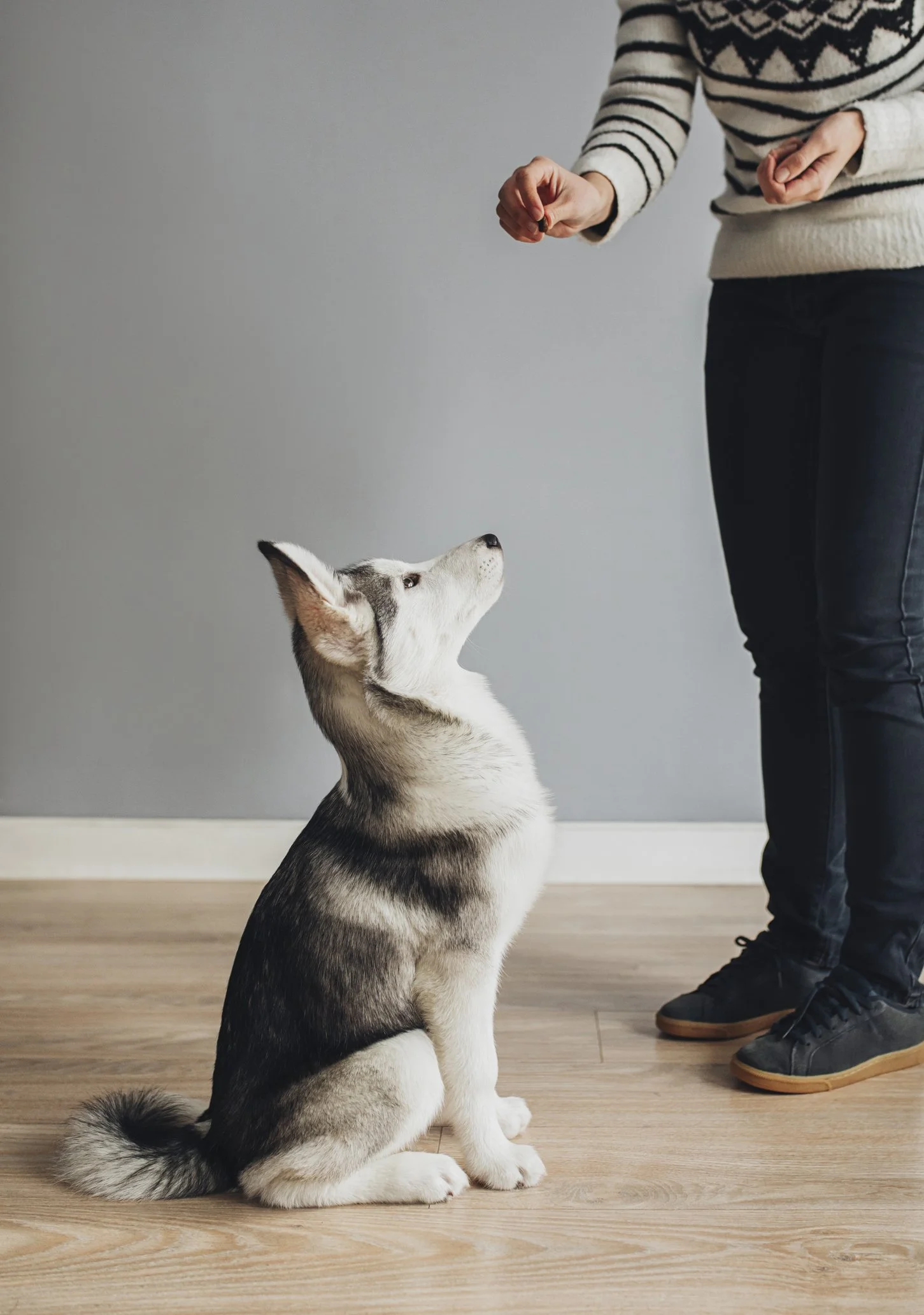
Whether it's your first rescue or your fifth, this guide breaks down the transition step by step — so you always know what to do next, even when things feel uncertain.
Gain Practical Tools
From crate training and potty schedules to introducing a resident dog and managing resource guarding, every chapter gives you clear, actionable steps you can use right away.
Learn What's Normal
Accidents, hiding, testing boundaries — it's all part of the process. You'll learn to read your dog's behavior and understand what they're telling you during each phase of adjustment.
Strengthen the Bond
The first days set the foundation for everything that follows. This guide helps you build trust, establish routine, and create a home where your new dog can finally feel safe.